The Flying Seed Company™
Our Purpose
Wildfires in the Texas Panhandle and Southern Plains do more than destroy vegetation. The intense heat damages the soil itself. Burned soils often become hydrophobic, meaning they repel water instead of absorbing it. When rain falls, water runs off rather than soaking into the ground, increasing erosion and preventing new plant growth.
After a severe fire, the land may lose native grasses, shrubs, soil biology, and organic matter that normally support healthy habitat. Wind erosion increases, moisture disappears quickly, and seed germination becomes difficult. In quail habitat and native rangeland systems, this can delay recovery for years if the soil is not restored along with the vegetation.
The Problem:
The major challenge on burn scars is not simply replacing plants — it is restoring the soil’s ability to support life again.
Burned ground often becomes dry, compacted, biologically inactive, and unable to hold moisture. Conventional seeding methods may fail because seeds are placed into damaged soil conditions with poor water infiltration and limited microbial activity. In many areas, heavy equipment can further disturb fragile landscapes and increase erosion.
Without improving soil function, vegetation establishment can remain slow and inconsistent, leaving wildlife habitat degraded and vulnerable to continued erosion and drought.
The Solution:
The proposed restoration approach combines drone technology with biologically enhanced seed balls and soil restoration materials to accelerate recovery on wildfire burn scars.
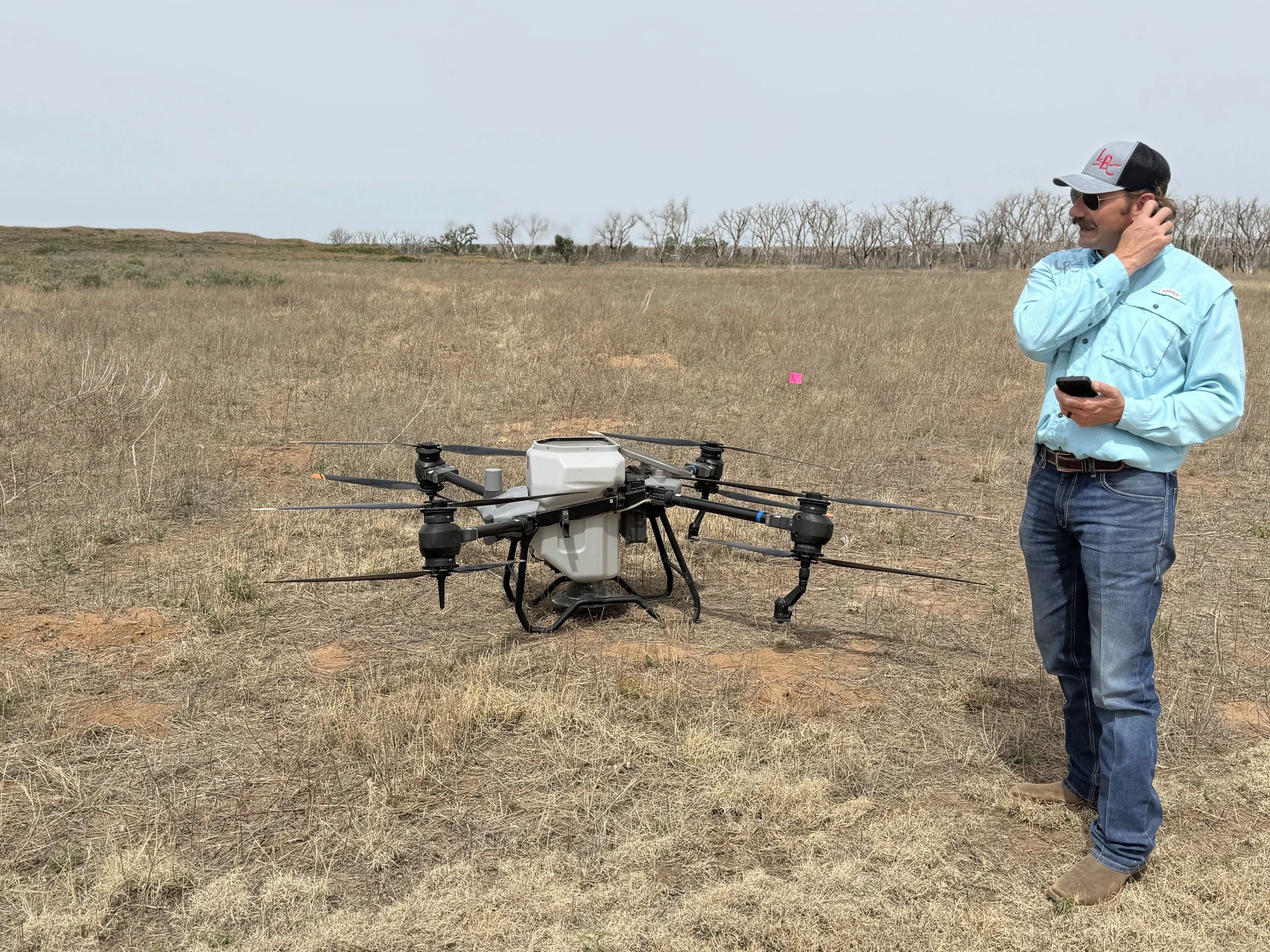
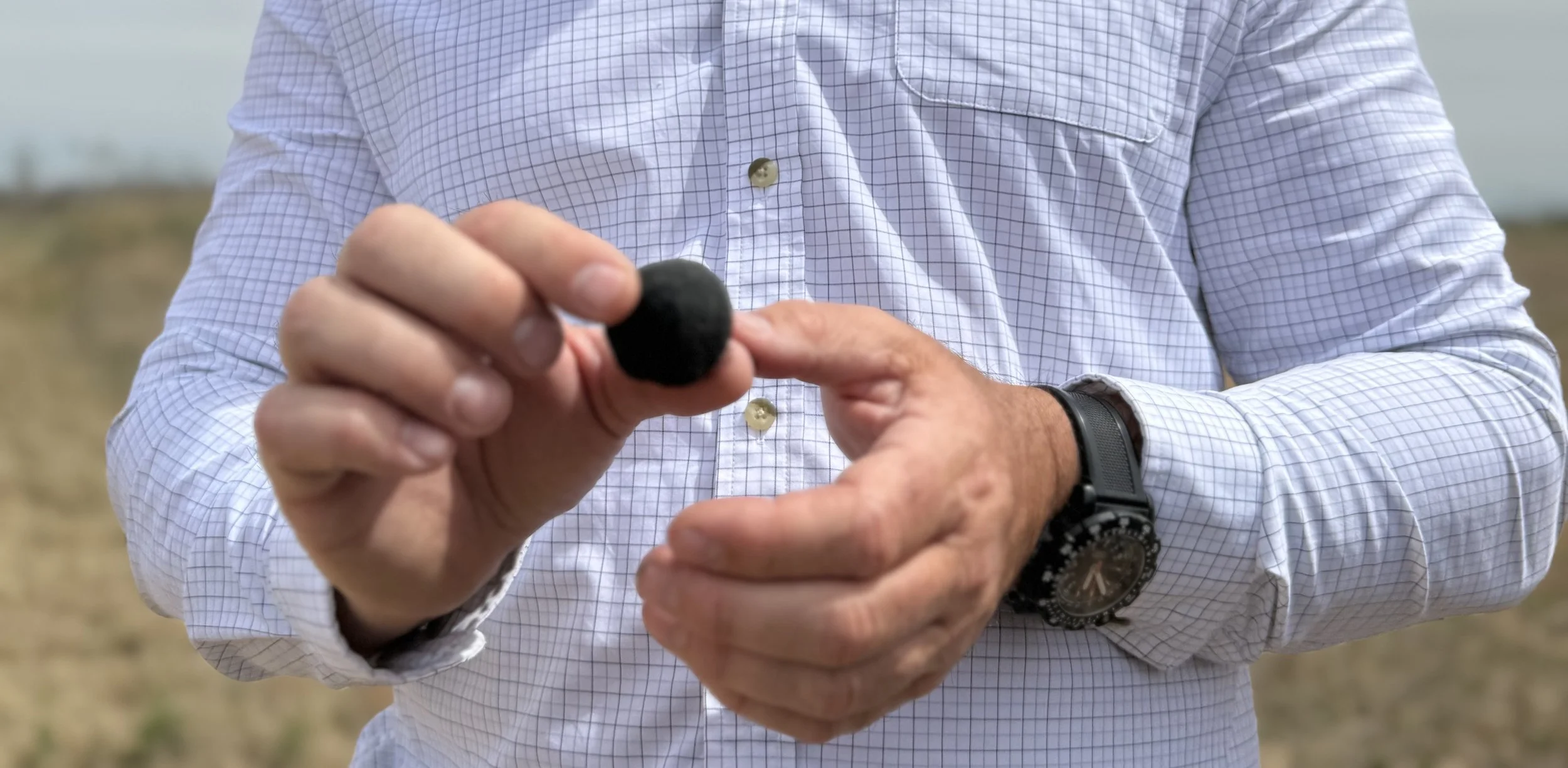
FAA-certified drones distribute seed balls over damaged areas without disturbing the soil with vehicles or ground crews. The seed balls are designed to protect seed during germination while providing moisture retention, microbial support, and nutrients needed for establishment.
In areas with severe hydrophobic soils, soil amendments such as rice hull ash, humates, and biological stimulants can help improve water infiltration and moisture retention. These treatments support root development and help restore microbial activity within the soil.
The goal is to stabilize the landscape, improve germination, reduce erosion, and restore native vegetation and wildlife. habitat more rapidly than untreated burn scars.
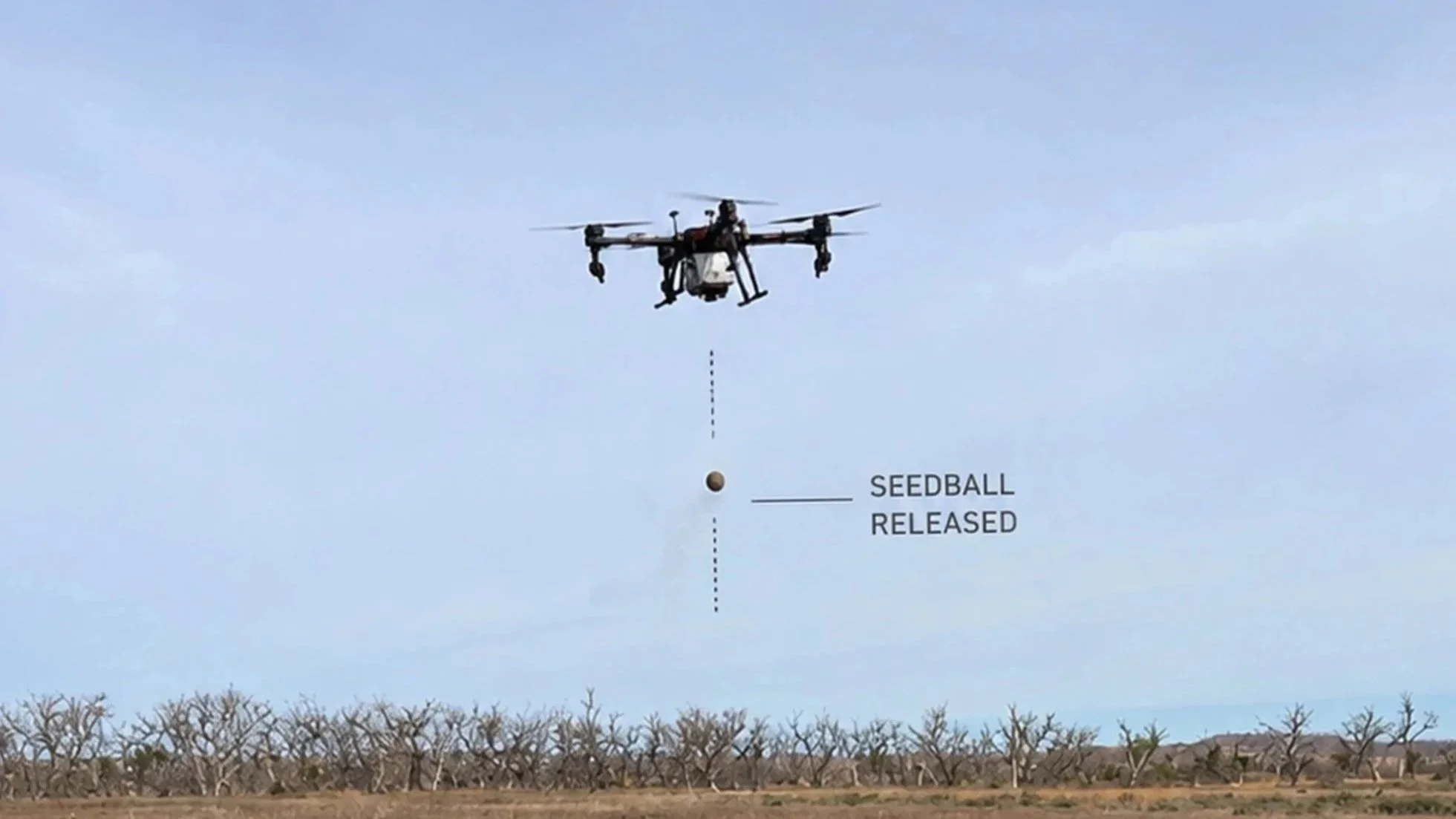
Our Flying Seed Balls™ are a first of it’s kind product that revolutionizes the regrowth of agriculture resulting from burn scars.
The Original Flying Seed Ball
*
The Original Flying Seed Ball *
Meet the Team
-
![]()
Jim Olive
FOUNDER
Jim Olive is a soil health advocate, entrepreneur, and founder of Organic Distributors, Inc. Driven by a belief that healthy soils are the foundation of healthy ecosystems, Jim has spent more than a decade developing and promoting innovative solutions that improve water retention, nutrient availability, and biological activity in the soil.His work spans agriculture, land restoration, erosion control, and emerging regenerative technologies designed to help plants thrive in challenging environments. Through Organic Distributors, Jim continues to champion practical, science-driven approaches that support growers, landscapes, and ecosystems for generations to come.
-
![]()
Dustin Gillett
AGRICULTURAL DRONE COMPANY
Dustin Gillette is the Owner and Operator of a Texas-based drone company specializing in agricultural aerial applications. Dustin utilizes advanced unmanned aircraft systems, including precision agriculture and thermal imaging technologies, to support growers, land managers, and industrial clients.His work focuses on improving operational efficiency, enhancing crop management, identifying infrastructure issues, and providing actionable aerial data for informed decision-making.
Dustin is committed to leveraging innovative drone technology to help clients improve productivity, reduce costs, and better manage land and environmental resources.
-
![]()
Chris Ball
AGRICULTURAL SCIENTIST
Chris Ball brings deep expertise in plant health care, soil biology, and ecological restoration. With a background rooted in arboriculture and biological soil management, Chris has led educational programs focused on tree health, forest disease management, soil biome restoration, nutrient management, and integrated pest management (IPM). His work as a product developer emphasizes restoring healthy root-zone biology and building sustainable, regenerative growing systems.